
For about a decade, I lived two working lives that never quite agreed with each other. Weekdays, I worked in commercial environments that organised authority the way most workplaces do, hierarchically, top down, compliance expected once a decision had been made above you.
Weekends and camps, I served in the Royal New Zealand Armoured Corps, inside a doctrine that organised authority almost the opposite way.
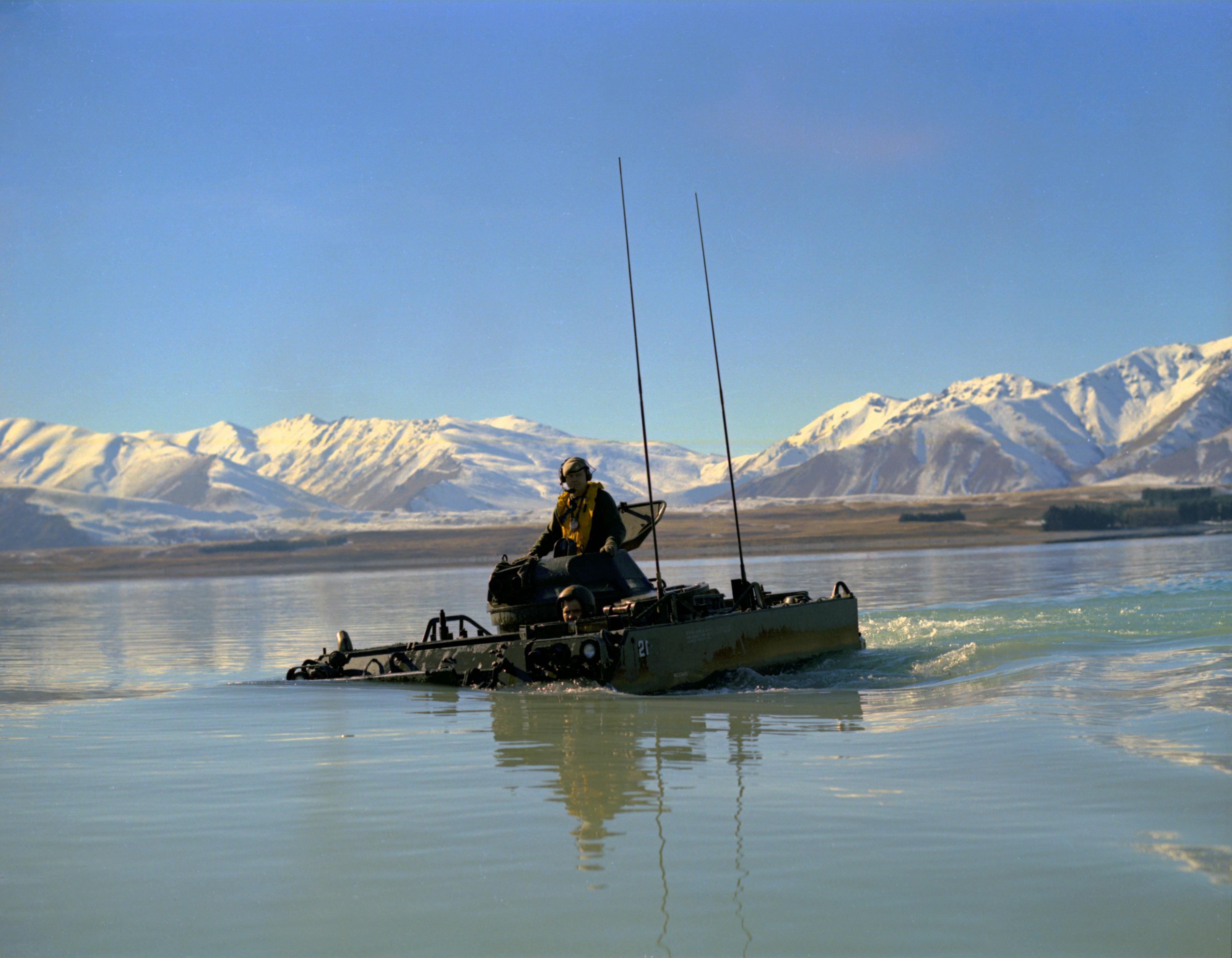
Manoeuvre warfare doesn’t wait for permission to travel up a chain of command and back down again.
The person closest to the situation makes the call, not because rank doesn’t matter, but because by the time a decision reaches someone further away, the situation it was made for has usually changed. The doctrine’s entire premise is that initiative has to sit with whoever has the clearest read on what’s actually happening, provided and this is the part that took me years to appreciate, their orientation has been properly updated first. Initiative without orientation isn’t manoeuvre. It’s just noise with confidence attached.
I never resolved the tension between those two models, and I stopped trying to. What I noticed instead was that each one was better than the other at something specific. The hierarchical model was good at consistency and accountability, you always knew who owned a decision after the fact. The manoeuvre model was good at speed and fit, decisions made by whoever actually understood the terrain, rather than whoever happened to hold the title. Watching them sit side by side in my own week, year after year, was the first time I really understood that “authority” wasn’t one thing. It was at least two different designs, built to solve two different problems, and most organisations only ever consciously chose one of them.
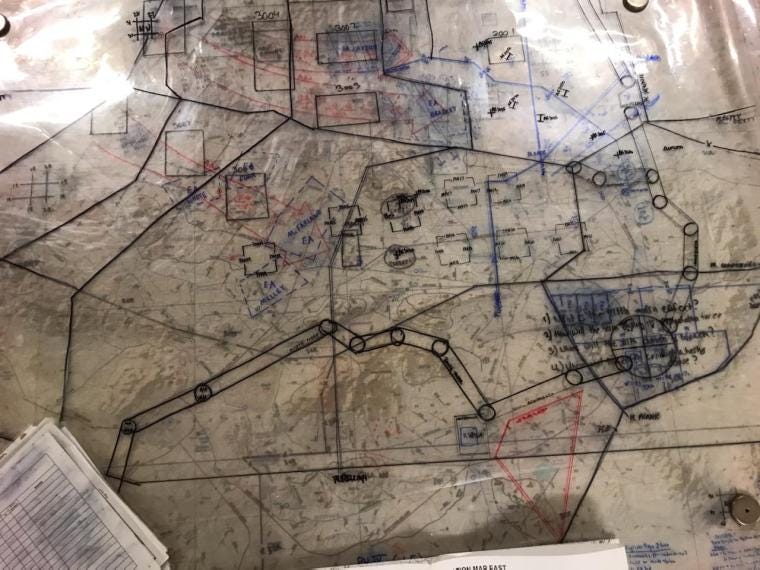
It would be a long time before I had proper language for any of this. John Boyd’s OODA loop; observe, orient, decide, act, eventually gave me a way to talk about why the manoeuvre model worked when it worked: not because someone was fast, but because their orientation was current. A commander with stale orientation making a quick decision is just making a confident mistake faster. That distinction, between speed and correctness of orientation, turned out to be far more portable than anything specifically military about it.
I’ve spent a good part of the years since watching organisations of every kind get this backwards: rewarding decisiveness while doing almost nothing to keep the person deciding actually oriented to what’s changed.
I don’t think the Army handed me a governance theory. What it handed me was a live demonstration, running in parallel with my day job for a decade, that authority is a design choice with trade-offs, not a fixed fact about how organisations have to work.
That’s a small thing to take from ten years of Saturdays. It’s also, looking back, one of the load-bearing pieces of how I now think about the question at all.
A follow on...
Two sides can observe the same situation and orient to entirely different conclusions about what it means. OODA’s author John Boyd’s central claim, drawn from studying real engagements rather than abstract theory, was that the side that orients faster and more accurately wins, not simply the side that acts fastest, because a stale or wrong orientation makes fast action actively dangerous.